
Our Three Step Process
February 7, 2024
The Importance of Website Design: Creating an Engaging User Experience
Our Three Step Process
February 7, 2024
The Importance of Website Design: Creating an Engaging User Experience
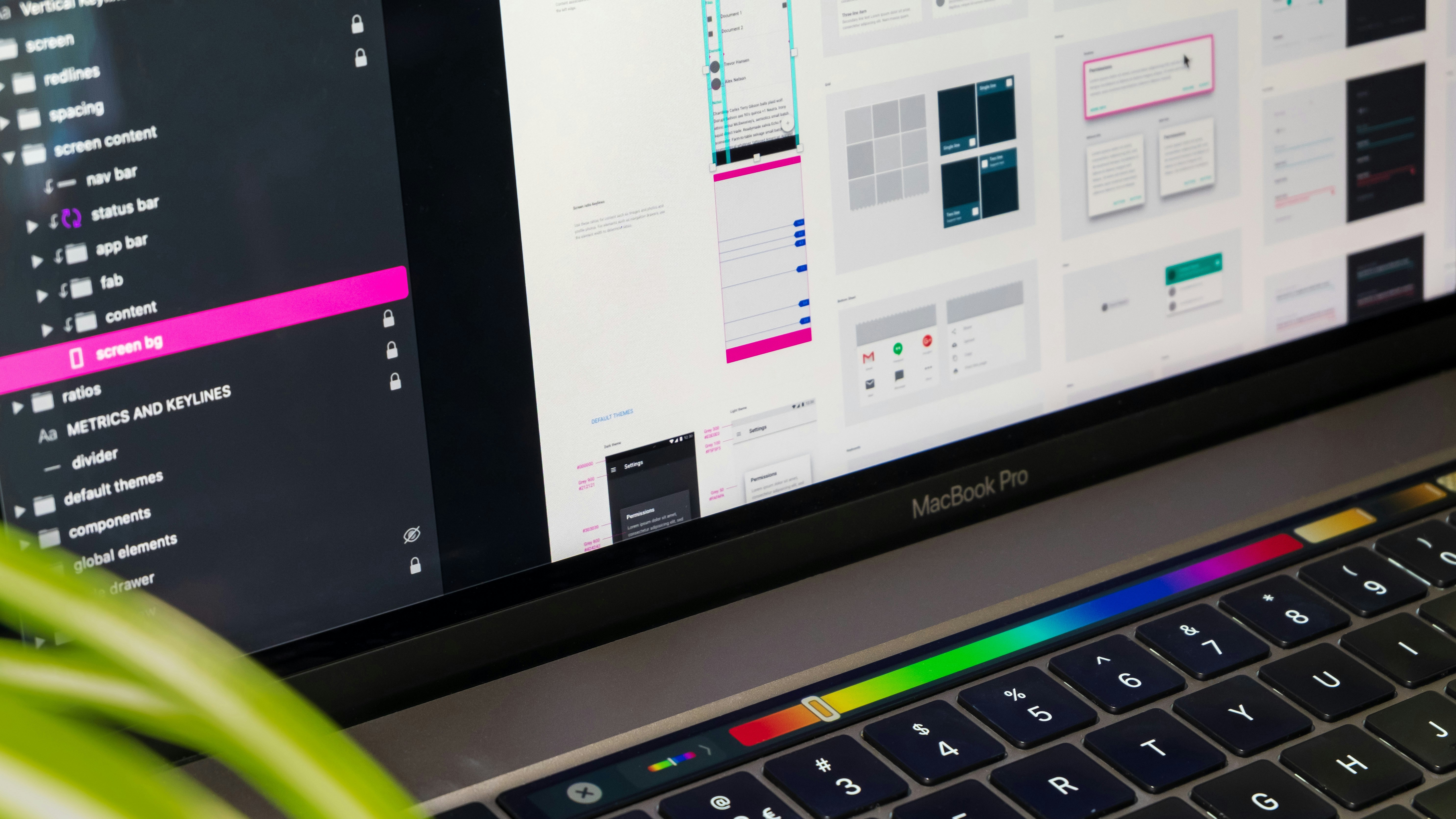
In today’s digital age, a well-designed website is essential for any business or personal brand. Your website is often the first point of contact potential customers have with your brand, and it’s crucial that it leaves a positive, lasting impression. Website design is much more than aesthetics; it encompasses user experience, functionality, and the overall journey your visitors take as they navigate your site. A thoughtfully designed website can boost conversions, improve your SEO ranking, and build trust with your audience.
Why Website Design Matters
When it comes to attracting and retaining visitors, website design plays a pivotal role. A sleek, professional website not only looks good but also works well. A user-friendly design creates a seamless experience that encourages visitors to stay on your site longer, explore more content, and take desired actions—whether that’s purchasing a product, signing up for a newsletter, or simply learning more about your services.
A poorly designed website, on the other hand, can lead to high bounce rates, decreased conversion rates, and a lack of trust in your brand. In fact, studies show that 75% of people judge a company’s credibility based on its website design. It’s clear that your website’s design can either make or break your online presence.
Key Elements of Effective Website Design
To create an effective website, several critical elements need to be taken into account:
User Experience (UX) Design
A website’s usability is key to retaining visitors. Easy navigation, intuitive layout, and quick loading times are essential for a positive UX. Visitors should be able to find what they’re looking for quickly without feeling overwhelmed. A cluttered, confusing interface can turn potential customers away.
Tip: Ensure your website’s structure is simple and organized. Use clear calls-to-action (CTAs) and make sure your navigation menu is easily accessible.Responsive Design
With mobile internet usage on the rise, responsive design is no longer optional—it’s essential. Your website must look and function seamlessly across all devices, whether it’s a desktop, tablet, or smartphone. Google also factors mobile-friendliness into its SEO ranking, meaning a responsive design can help improve your search engine visibility.
Tip: Test your website on various devices to ensure it offers a smooth and consistent experience across all screen sizes.Visual Design and Branding
The visual appeal of your website sets the tone for your brand. Consistent use of colors, fonts, and imagery can help establish your brand identity and create a professional, polished look. Your website should align with your overall brand aesthetic, creating a cohesive and visually appealing user experience.
Tip: Keep the design clean and uncluttered. Use high-quality images and align the design elements with your brand’s values and message.SEO Optimization
A well-designed website doesn’t just look good; it also needs to be optimized for search engines. SEO elements like optimized content, header tags, and meta descriptions can significantly improve your site’s visibility on Google and other search engines. Additionally, fast page load times and a clean, structured URL hierarchy are crucial for SEO.
Tip: Ensure that your website’s design allows for SEO best practices. Include keywords in your content, optimize image alt text, and make sure your site is quick to load.Conversion Rate Optimization (CRO)
The ultimate goal of most websites is to convert visitors into customers. Your website design should encourage actions, whether it's filling out a contact form, signing up for a newsletter, or making a purchase. Strategically placed CTAs, streamlined checkout processes, and trust-building elements like testimonials and social proof can increase conversion rates.
Tip: Test different CTAs, buttons, and forms to see what drives the most conversions. Ensure your forms are simple and easy to complete.
Best Practices for Website Design
Keep it simple: A minimalist design can improve the user experience by reducing distractions and focusing attention on key areas.
Prioritize speed: Slow-loading pages can frustrate visitors and impact your SEO. Compress images and use a reliable hosting service to improve load times.
Use clear CTAs: Place your CTAs prominently and make them action-oriented to encourage users to take the next step.
Test and optimize: Regularly review your website’s performance and make adjustments based on user feedback and analytics.
Key Takeaways:
Effective website design focuses on usability, responsiveness, and branding.
SEO and conversion optimization should be integrated into the design process.
A well-designed website is an essential tool for building trust and driving business growth.
By investing time and effort into creating a user-friendly, visually appealing, and SEO-optimized website, you can significantly improve your online presence and build a lasting connection with your audience. Whether you’re designing a new site or optimizing an existing one, always keep the user experience at the forefront of your design decisions.

In today’s digital age, a well-designed website is essential for any business or personal brand. Your website is often the first point of contact potential customers have with your brand, and it’s crucial that it leaves a positive, lasting impression. Website design is much more than aesthetics; it encompasses user experience, functionality, and the overall journey your visitors take as they navigate your site. A thoughtfully designed website can boost conversions, improve your SEO ranking, and build trust with your audience.
Why Website Design Matters
When it comes to attracting and retaining visitors, website design plays a pivotal role. A sleek, professional website not only looks good but also works well. A user-friendly design creates a seamless experience that encourages visitors to stay on your site longer, explore more content, and take desired actions—whether that’s purchasing a product, signing up for a newsletter, or simply learning more about your services.
A poorly designed website, on the other hand, can lead to high bounce rates, decreased conversion rates, and a lack of trust in your brand. In fact, studies show that 75% of people judge a company’s credibility based on its website design. It’s clear that your website’s design can either make or break your online presence.
Key Elements of Effective Website Design
To create an effective website, several critical elements need to be taken into account:
User Experience (UX) Design
A website’s usability is key to retaining visitors. Easy navigation, intuitive layout, and quick loading times are essential for a positive UX. Visitors should be able to find what they’re looking for quickly without feeling overwhelmed. A cluttered, confusing interface can turn potential customers away.
Tip: Ensure your website’s structure is simple and organized. Use clear calls-to-action (CTAs) and make sure your navigation menu is easily accessible.Responsive Design
With mobile internet usage on the rise, responsive design is no longer optional—it’s essential. Your website must look and function seamlessly across all devices, whether it’s a desktop, tablet, or smartphone. Google also factors mobile-friendliness into its SEO ranking, meaning a responsive design can help improve your search engine visibility.
Tip: Test your website on various devices to ensure it offers a smooth and consistent experience across all screen sizes.Visual Design and Branding
The visual appeal of your website sets the tone for your brand. Consistent use of colors, fonts, and imagery can help establish your brand identity and create a professional, polished look. Your website should align with your overall brand aesthetic, creating a cohesive and visually appealing user experience.
Tip: Keep the design clean and uncluttered. Use high-quality images and align the design elements with your brand’s values and message.SEO Optimization
A well-designed website doesn’t just look good; it also needs to be optimized for search engines. SEO elements like optimized content, header tags, and meta descriptions can significantly improve your site’s visibility on Google and other search engines. Additionally, fast page load times and a clean, structured URL hierarchy are crucial for SEO.
Tip: Ensure that your website’s design allows for SEO best practices. Include keywords in your content, optimize image alt text, and make sure your site is quick to load.Conversion Rate Optimization (CRO)
The ultimate goal of most websites is to convert visitors into customers. Your website design should encourage actions, whether it's filling out a contact form, signing up for a newsletter, or making a purchase. Strategically placed CTAs, streamlined checkout processes, and trust-building elements like testimonials and social proof can increase conversion rates.
Tip: Test different CTAs, buttons, and forms to see what drives the most conversions. Ensure your forms are simple and easy to complete.
Best Practices for Website Design
Keep it simple: A minimalist design can improve the user experience by reducing distractions and focusing attention on key areas.
Prioritize speed: Slow-loading pages can frustrate visitors and impact your SEO. Compress images and use a reliable hosting service to improve load times.
Use clear CTAs: Place your CTAs prominently and make them action-oriented to encourage users to take the next step.
Test and optimize: Regularly review your website’s performance and make adjustments based on user feedback and analytics.
Key Takeaways:
Effective website design focuses on usability, responsiveness, and branding.
SEO and conversion optimization should be integrated into the design process.
A well-designed website is an essential tool for building trust and driving business growth.
By investing time and effort into creating a user-friendly, visually appealing, and SEO-optimized website, you can significantly improve your online presence and build a lasting connection with your audience. Whether you’re designing a new site or optimizing an existing one, always keep the user experience at the forefront of your design decisions.
Other Blogs
Explore More Insights
Check out our other project blogs packed with valuable insights, expert tips, and actionable strategies to help your business grow.



Other Blogs
Explore More Insights
Check out our other project blogs packed with valuable insights, expert tips, and actionable strategies to help your business grow.